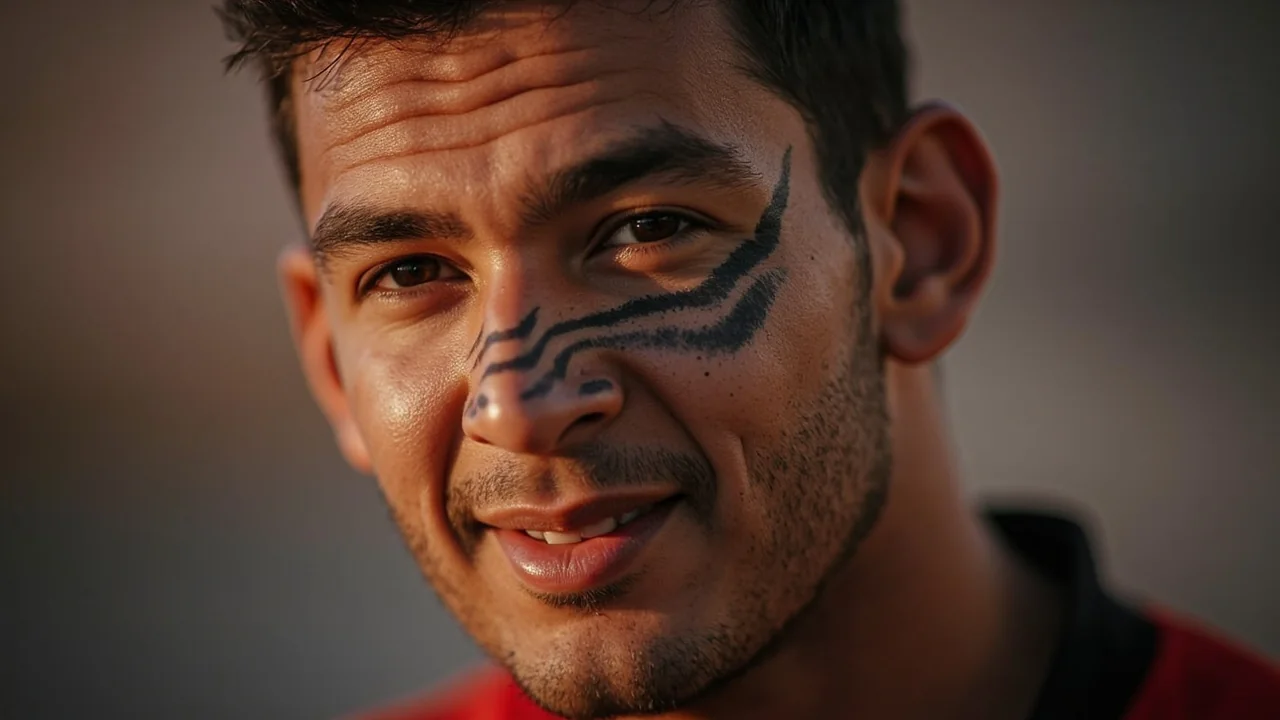
How RCB's 2026 IPL Title Payout Compares to GT's Runners-Up Share
On the evening of 1 June 2026, Royal Challengers Bengaluru beat Gujarat Titans by five wickets at the Narendra Modi Stadium in Ahmedabad and walked off with the IPL winner's purse of Rs 20 crore. Gujarat Titans left with the runners-up share, published at Rs 12.5 crore for the same fixture and reported in one secondary line at Rs 13 crore. The prize ratio between the two finalists was 1.6 to 1, and the gap of Rs 7.5 crore is the cleanest single number for fantasy members to set a season-end bankroll target against.
The chase itself ended inside eighteen overs. Bengaluru passed Gujarat's 155 for eight with twelve balls to spare, after Virat Kohli finished unbeaten on 75 off 42 balls with nine fours and three sixes. Read through the prize table rather than the scorecard, the final settled three separate ledgers at once: the franchise cheque that goes to the team owner, the per-player slice that goes to the playing squad, and the cluster of individual awards that runs alongside the IPL trophy presentation. Members running the season against Winners Club stories usually anchor on the per-player line, because that is the row their own contest entries scale against.
What Rs 20 crore actually covered at the Bengaluru end
The Rs 20 crore winner's purse that RCB received was the league's single largest team payout of the 2026 season. It sat on top of the central revenue share that the Board of Control for Cricket in India distributes to all ten franchises regardless of finish, and it sat beside the franchise's own share of gate receipts from the playoffs and the final. Members who tracked the season by total franchise earnings treated the Rs 20 crore as the headline rather than the bottom line, because the central pool and gate share moved the real figure higher on the franchise books.
The cheque itself was settled within ninety minutes of the winning shot. It did not include the franchise's retention bonus to individual players, the per-match fee on offer during the league stage, or any sponsor-aligned prize overlay. Those line items sat on separate ledgers and were paid out across the season rather than on the night of the final. For members comparing this year's cheque against last year's, the only line that moved was the headline winners purse itself, which held flat at Rs 20 crore against the 2025 figure.
The split that members tended to watch most closely was the players' share of the Rs 20 crore. The league does not mandate how a franchise divides the cheque internally, and franchises do not publish a per-player breakdown. The historical norm across the league has been roughly fifty to sixty percent of any playoff pool award reaching the playing squad, with the captain's share scaled upward and the support staff taking a smaller fixed slice. On that basis the Rs 20 crore worked out at somewhere in the range of Rs 10 to 12 crore for the squad as a whole, before taxation.
How the chase set the prize for both squads in 18 overs
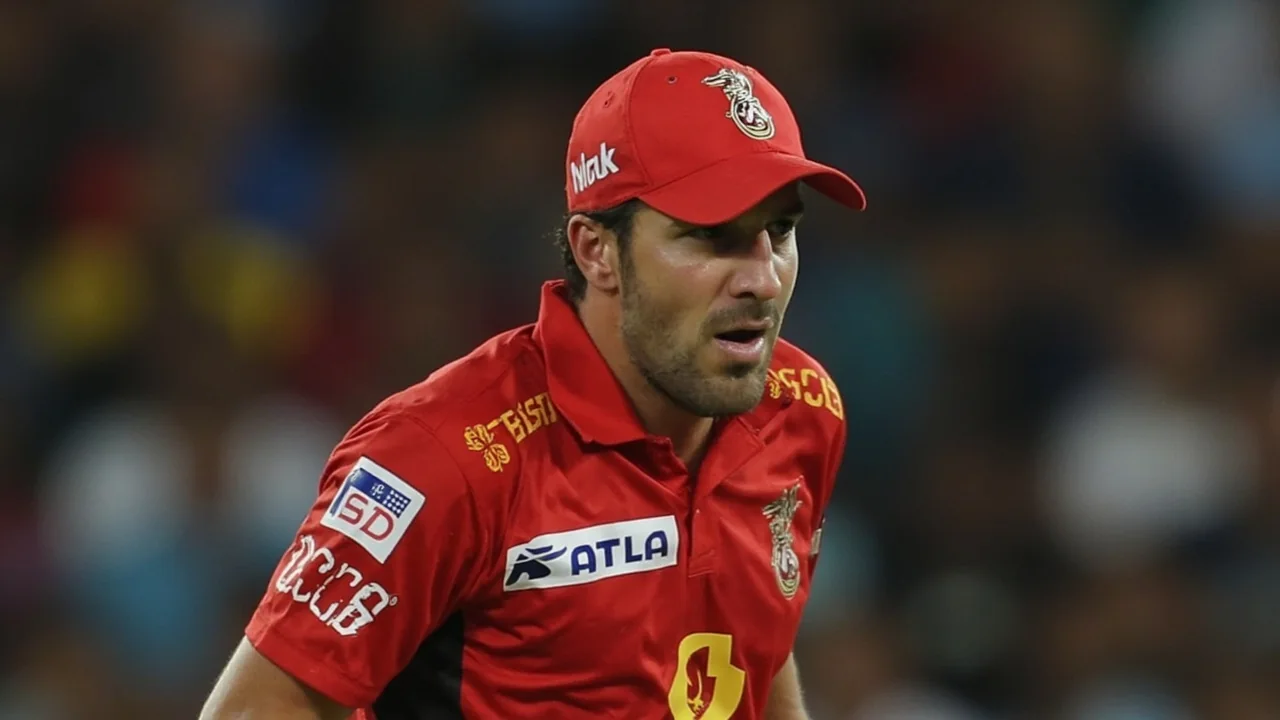
The 1 June 2026 final was settled inside eighteen overs, not twenty. Bengaluru passed the target of 156 with twelve balls to spare, after Josh Hazlewood and Bhuvneshwar Kumar had taken the Gujarat top order apart inside the powerplay. Shubman Gill and Sai Sudharsan had both been dismissed before the fielding restrictions eased, and the rest of the Gujarat batting card played out against a target score rather than a winning position.
Washington Sundar's unbeaten half-century was the only innings in the Gujarat total that threatened to lift the side above 160. His knock held the innings together at 155 for eight in twenty overs, a score that Bengaluru's chase treated as ten runs light once Kohli and Venkatesh Iyer had settled at the top of the order. The fantasy read is that two powerplay wickets, a fifty that did not find a partner, and a chase that ended with a six is the whole Ahmedabad evening in three lines.
Rasikh Salam Dar finished with three for twenty-seven and was the only Gujarat bowler to take more than one wicket on the night. Tim David contributed 24 off 17 balls in support of Kohli at the Bengaluru end, and the winning shot was hit by Kohli himself, a six that ended the chase one boundary earlier than anyone in the dugout had planned. The prize cheques were handed over inside that same half-hour window, with the franchise purses published first and the individual awards settled at the post-match presentation.
Awarded to Royal Challengers Bengaluru after the five-wicket chase of 156 in 18 overs at the Narendra Modi Stadium.
Awarded to Gujarat Titans on the night. The same fixture was reported in one secondary line at Rs 13 crore.
The relationship between the Rs 20 crore winners purse and the Rs 12.5 crore runners-up share for the 2026 final.
How the players' share of each cheque was settled after the BCCI handoff
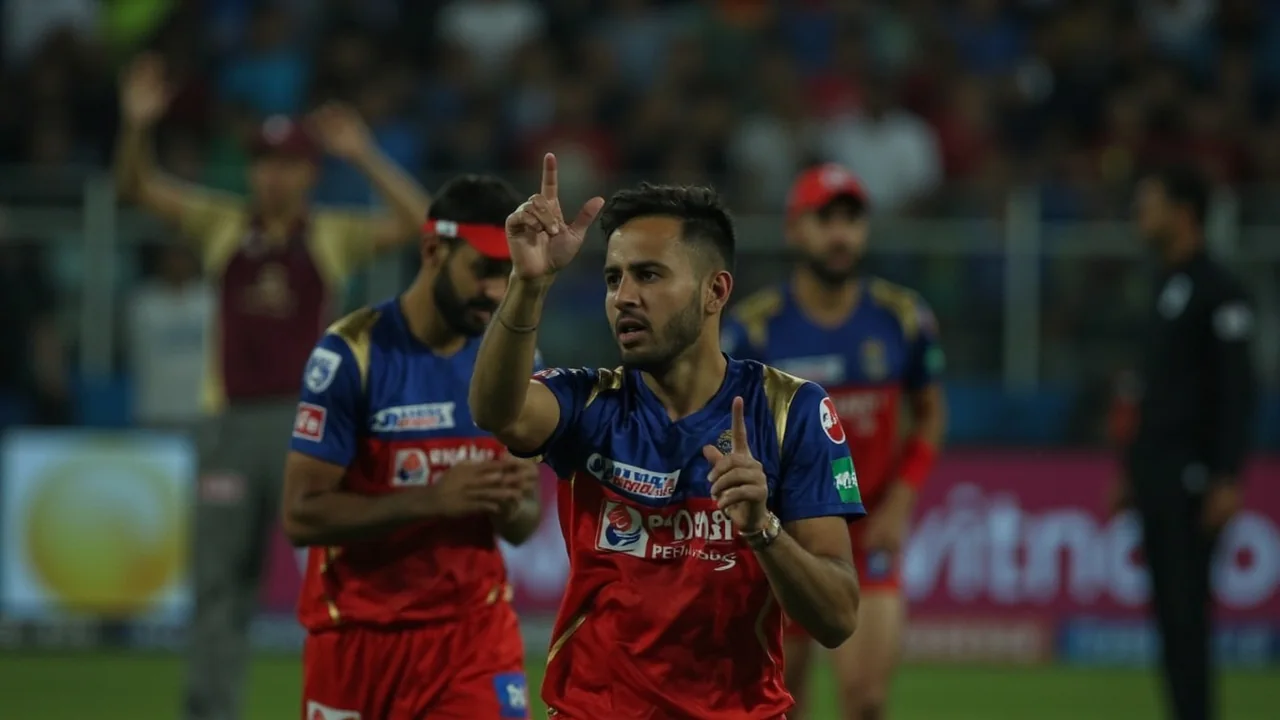
Once the franchises bank the winner's and runners-up purses, the per-player line is set inside the franchise's own contract structure rather than by the league. The Rs 20 crore ceiling at the Bengaluru end, on the historical fifty-to-sixty percent norm, left roughly Rs 10 to 12 crore for the playing squad. Spreading that across a fifteen-player squad with an eleven-strong playing XI produced per-player cheques in the range of Rs 60 lakh to Rs 1.2 crore before taxation for the wider squad, and a larger captain-weighted slice for the eleven who took the field.
Rajat Patidar, who lifted the trophy as Bengaluru captain on the night, sat at the top of that internal split on the basis of contract structure rather than the league's published prize table. The runners-up line worked the same way at a smaller scale. Gujarat Titans' Rs 12.5 crore ceiling produced a smaller players' share, with per-player cheques for the playing XI in the range of Rs 35 lakh to Rs 80 lakh before the same taxation line. Squad members who did not play the final still picked up a smaller slice, computed on the franchise's retained-players allowance.
The figure fantasy members actually keyed off was the captain-weighted share, because it set the ceiling against which the captain-pick multiplier on a fantasy lineup was scaled. A member who had Kohli as captain in the final was working off the same Rs 75-run innings on a 2x multiplier inside their own contest entry, while the IPL's Rs 20 crore franchise cheque and the individual awards were the league's settlement on the same night. The fantasy context sits one tier below the league's cheque, and the two are not interchangeable lines in any member's bankroll ledger.
The four fantasy-relevant awards that ran alongside the trophy
Four individual awards were presented at the 1 June 2026 final alongside the IPL trophy. Each carries a separate cheque settled at the post-match presentation, with the size published by the league rather than the franchise. Members running a season-long captain pick ledger treat these four rows as the only individual prize points on the season's scoreboard, and they are the rows that map directly onto the contest categories the members themselves score against.
The Orange Cap for the leading run-scorer of the league stage and the Purple Cap for the leading wicket-taker were the two season-long awards settled at the final. Sai Sudharsan, Heinrich Klaasen, Virat Kohli, Abhishek Sharma and KL Rahul sat near the top of the Orange Cap running order going into the final; Bhuvneshwar Kumar, Kagiso Rabada and Anshul Kamboj held the Purple Cap positions across the closing stages of the league. Both caps come with a published cheque of their own, independent of the franchise purses.
The Emerging Player award and the Most Valuable Player award sat one tier below the season-long caps in fantasy priority but still carried a separate settlement. The MVP cheque is typically the largest of the four individual awards and is presented at the final rather than earlier in the season, with the recipient selected on combined batting, bowling and fielding impact across the league and playoff stages. Members whose captain or vice-captain won an award used to bake the individual prize into their own end-of-season ledger alongside the franchise cheque line.
Bengaluru retained the title a year after winning in 2025, the second successive crown for the franchise.
Gujarat Titans reached their second IPL final, three seasons on from the title win in the franchise's debut year of 2022.
Bengaluru passed Gujarat's 155 for eight in eighteen overs, with twelve balls to spare for a five-wicket win.
The two published figures for the runners-up share
The league's primary breakdown recorded the Gujarat Titans runners-up share at Rs 12.5 crore. A secondary reporting line referenced Rs 13 crore for the same fixture, with the gap framed as a rounding step rather than a revised distribution. Members reading the prize table should anchor on Rs 12.5 crore as the published figure and treat Rs 13 crore as a secondary number, useful only when a contest rule references the higher figure.
Why the prize ratio matters for bankroll targets
The 1.6-to-1 ratio between the winners purse and the runners-up share sets a ceiling on what any single season can deliver through the franchise routes. Members who ladder their bankroll across captain picks, VIP contest entries and the monthly finals will rarely see a fantasy single-payout above the per-player share the IPL hands out at the final. The prize ratio is therefore the ceiling against which any contest claim of an "IPL-sized" payout should be measured.
Where this leaves the next season's prize table
The 2026 final is now the most recent completed IPL prize table on file. The 2027 season's winners purse and runners-up share will be benchmarked against this season's Rs 20 crore and Rs 12.5 crore lines, with the Orange Cap and Purple Cap awards likely settled on the same model. Members planning an off-season bankroll build can use the 1 June 2026 figures as the baseline, with the secondary Rs 13 crore runners-up line held in reserve for contest rules that cite the higher number.
Members' questions on the IPL 2026 prize table
How much did the IPL 2026 winner take home?
The IPL 2026 winner's purse was Rs 20 crore, awarded to Royal Challengers Bengaluru after the 1 June 2026 final at the Narendra Modi Stadium in Ahmedabad.
What was the runners-up share for the IPL 2026 final?
The published runners-up figure was Rs 12.5 crore, awarded to Gujarat Titans. A secondary reporting line referenced Rs 13 crore for the same fixture.
What was the prize ratio between winner and runners-up?
The Rs 20 crore winners purse and the Rs 12.5 crore runners-up share produced a 1.6-to-1 ratio, a gap of Rs 7.5 crore between the two finalists.
What was the final scorecard?
Gujarat Titans scored 155 for eight in twenty overs, with Washington Sundar's unbeaten half-century the top score. Royal Challengers Bengaluru chased the target in eighteen overs with twelve balls to spare.
How was the per-player share of the cheque split?
Franchises typically pass fifty to sixty percent of any playoff pool award to the playing squad. On that norm the Rs 20 crore ceiling produced per-player cheques in the range of Rs 60 lakh to Rs 1.2 crore at the Bengaluru end.
Was this Bengaluru's second successive title?
Yes. The 2026 final was Bengaluru's defence of the title they won in 2025, and the franchise's second consecutive IPL crown under captain Rajat Patidar.
Open the Winners Club members suite
Every member who finished a season in the top tier of the leaderboard has a published prize story in the Winners Club. Read the Founders Cup winners, the monthly finals and the members-only room payouts from the 2025 and 2026 seasons.
Open VIP Contests